
Why E Commerce Payment Processing Deserves More Attention
If your checkout leaks conversions, triggers false declines, or creates refund chaos, revenue suffers fast. That is why e commerce payment processing: What It Is, How It Works, and Best Practices matters far beyond a back-office finance topic. It touches customer trust, fraud exposure, approval rates, subscription retention, and even your SEO performance indirectly through user experience and brand reputation.
For merchants trying to scale, the biggest problem is rarely accepting a card once. The hard part is building a payment flow that works across devices, countries, currencies, and risk profiles without adding friction. That is where x402 Payment Gateway stands out as a practical solution provider for businesses that need speed, control, security, and flexibility.
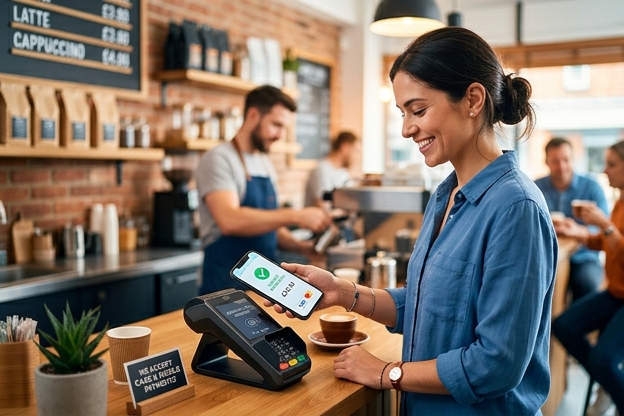
E commerce payment processing is the system that authorizes, routes, verifies, and settles digital payments for online purchases. It connects the customer, merchant, payment gateway, processor, issuing bank, acquiring bank, and fraud controls so money can move securely from checkout to settlement.
When it works well, customers barely notice it. When it fails, carts get abandoned, chargebacks rise, and customer support gets buried.
Table of Contents
- What E Commerce Payment Processing Actually Means
- How the Payment Flow Works Behind the Scenes
- The Core Components of a Modern Payment Stack
- Best Practices That Protect Revenue and Trust
- Common Challenges, Risks, and Tradeoffs
- Comparing Payment Setups for Different Business Models
- Real-World Experience from x402 Payment Gateway
- What Is Changing in Payment Processing
- How to Choose the Right Provider
What E Commerce Payment Processing Actually Means
At its simplest, e commerce payment processing is the infrastructure that turns an online order into an approved, funded transaction. But that simple description hides a lot of complexity. The payment system has to encrypt payment data, screen for fraud, request authorization, communicate with banks and networks, and settle funds into the merchant account.
For online businesses, this process is more delicate than in-store payments because the merchant cannot physically verify the cardholder or the card itself. Every digital transaction depends on data quality, authentication, risk scoring, and network communication.
That is why strong payment processing is not just a utility. It is part conversion engine, part security control, part operational backbone.
Why it matters for growth
Payment performance affects metrics leaders care about every day:
- Checkout conversion rate
- Authorization success rate
- Average order value
- Chargeback ratio
- Refund handling speed
- Subscription retention
- Cross-border expansion readiness
According to the Baymard Institute's 2024 checkout research, extra friction, trust concerns, and payment issues remain among the most common reasons shoppers abandon carts. That means payment optimization is not optional if you want better revenue efficiency.
How the Payment Flow Works Behind the Scenes
A lot happens in a few seconds after a buyer clicks “Pay Now.” Here is the typical flow.
- The customer enters card or wallet details at checkout.
- The payment gateway encrypts and tokenizes the data.
- The transaction is sent to the payment processor or acquiring partner.
- The card network routes the request to the issuing bank.
- The issuer approves or declines based on funds, fraud signals, and policy rules.
- The approval response returns to the merchant site in real time.
- The transaction is captured and later settled into the merchant account.
This looks straightforward on paper, but every step can influence whether a payment succeeds. Poor fraud settings can block good customers. Weak retry logic can hurt recurring billing. Slow page loads can kill mobile conversion before authorization even begins.
Authorization vs capture vs settlement
Many merchants blur these terms, which leads to reporting confusion.
- Authorization checks whether the payment method is valid and funds or credit are available.
- Capture confirms the merchant wants to collect the payment.
- Settlement is the actual transfer of funds through banking rails.
For preorders, high-ticket goods, and split shipments, separating authorization from capture can be operationally valuable.
“The best payment stack is not the one with the most features. It is the one that raises approval rates without creating invisible friction for legitimate buyers.”
The Core Components of a Modern Payment Stack
Not every provider handles every layer the same way, so merchants need to know the roles involved.
Payment gateway
The gateway is the secure connection point between your checkout and the payment ecosystem. It handles data transmission, encryption, tokenization, and often fraud screening. x402 Payment Gateway operates in this layer while also supporting broader orchestration needs for businesses that need more than a basic plug-in checkout.
Payment processor
The processor moves transaction information between parties and coordinates with card networks and acquiring institutions. In many platforms, gateway and processor services are bundled, but they are not identical functions.
Merchant account and acquirer
The merchant account temporarily holds funds from card sales before transfer to your business bank account. The acquiring bank supports the merchant side of card acceptance.
Fraud and authentication tools
These include AVS, CVV checks, device fingerprinting, velocity controls, 3D Secure, behavioral analysis, and rule-based or machine learning risk models. According to Juniper Research in 2024, merchant losses from online payment fraud continue to grow globally, which is why layered fraud protection matters.
Tokenization and vaulting
Stored credentials help recurring billing, one-click checkout, and omnichannel continuity. The safe way to enable this is through tokenization, where sensitive payment data is replaced by a non-sensitive token.
Best Practices That Protect Revenue and Trust
Strong payment operations sit at the intersection of conversion, compliance, and risk management. The best merchants treat checkout as a living system, not a one-time setup.
Reduce checkout friction without weakening controls
Every extra field, redirect, or delay can lower completion rates. At the same time, overly simplified checkout with weak controls can increase fraud. The right balance usually includes fast page loads, recognizable payment options, mobile-friendly forms, and selective authentication based on risk.
Offer the payment methods your audience actually uses
Credit and debit cards still matter, but they are no longer enough for many segments. Digital wallets, local bank methods, BNPL, and region-specific options can improve conversion in specific markets. According to a 2025 report by Worldpay on global payments, digital wallets continue to represent a leading share of e commerce transaction value across many regions.
Use smart decline management
Not all declines are equal. Some should be retried. Some require customer action. Some indicate fraud or issuer restrictions. Merchants that treat all declines the same leave money on the table.
Build refunds and disputes into the customer journey
Chargeback prevention starts before the dispute. Clear billing descriptors, responsive support, transparent shipping communication, and fast refunds reduce post-purchase frustration.
Prioritize compliance from the start
PCI DSS compliance, data handling discipline, and secure token storage are baseline requirements. They are not branding extras. They are table stakes.
“A payment operation becomes expensive when teams only measure fees. The larger hidden costs usually come from false declines, manual review overload, and poor dispute handling.”
Common Challenges, Risks, and Tradeoffs
Payment processing is full of tradeoffs. More approval attempts can increase fraud risk. Stronger authentication can reduce fraud but add friction. Expanding payment methods can lift conversion but complicate reconciliation and support.
False declines
This is one of the most painful and least visible revenue leaks. Legitimate customers get blocked because issuer rules, mismatched data, location anomalies, or aggressive risk filters trigger declines.
Cross-border complexity
International selling introduces currency conversion, local method preferences, tax considerations, sanctions screening, and regional compliance obligations. The checkout that works in one market may underperform badly in another.
Chargebacks and friendly fraud
Some disputes are tied to actual fraud. Others come from confusion, family member purchases, forgotten subscriptions, or slow support response. The merchant needs a process for evidence gathering, prevention, and customer communication.
Platform lock-in
All-in-one platforms are convenient early on, but businesses may hit limits around routing flexibility, data portability, fee structures, or international coverage as they scale.
Operational visibility
Many finance and growth teams still lack a clean view of approval rates by issuer, geography, device, or payment method. Without reporting depth, it is hard to know whether the problem is fraud rules, bank routing, or user experience.
Comparing Payment Setups for Different Business Models
There is no single best payment setup for every merchant. The right model depends on ticket size, customer geography, repeat purchase behavior, and operational maturity.
| Business Type | Payment Priorities | Best-Fit Methods | Main Risk |
|---|---|---|---|
| DTC apparel brand | Fast mobile checkout, wallets, simple refunds | Cards, Apple Pay, PayPal, BNPL | Cart abandonment from friction |
| Subscription software company | Recurring billing, tokenization, dunning | Cards, ACH, stored credentials | Involuntary churn from failed renewals |
| Online electronics retailer | Fraud screening, high-value authorization control | Cards, financing options, manual review layer | Chargebacks and shipment fraud |
| Marketplace platform | Split payments, seller onboarding, compliance | Cards, wallets, payout infrastructure | Complex reconciliation and KYC burdens |
| Cross-border beauty brand | Local methods, currency localization, fraud balance | Cards, wallets, regional payment methods | Low approval rates in new markets |
Real-World Experience from x402 Payment Gateway
I have seen merchants underestimate how much approval-rate optimization can affect top-line growth. One apparel client came to x402 Payment Gateway after a checkout redesign had improved site aesthetics but quietly hurt payment completion. Mobile conversions looked weak, and support tickets about “card not working” kept rising.
After reviewing the flow, we found three issues: an overly aggressive fraud rule set, limited wallet visibility on mobile, and poor decline handling. We adjusted risk thresholds, surfaced preferred payment methods earlier, and separated soft declines from hard declines. Within weeks, authorization performance improved and cart completion recovered without a measurable rise in chargeback pressure.
In another engagement, I worked with a subscription-based digital service that was losing recurring revenue from expired cards and failed renewals. x402 Payment Gateway helped implement token-based stored credentials, retry logic based on issuer patterns, and cleaner dunning communication. The result was not flashy from the outside, but involuntary churn dropped enough to materially improve monthly recurring revenue.
These cases matter because they show a simple truth: payment optimization is often hidden leverage. Many businesses chase traffic before fixing the part of the funnel that actually collects the money.
What Is Changing in Payment Processing
Payment processing is becoming more intelligent, more localized, and more orchestration-driven.
More network tokenization
Network tokens are becoming increasingly important for recurring payments and digital wallet performance. They can reduce reliance on static card credentials and help improve lifecycle resilience.
Smarter fraud systems
Fraud tools are moving toward adaptive decisioning rather than rigid one-size-fits-all rules. That does not mean merchants should let automation run without supervision. Risk models still need oversight, testing, and business context.
Payment orchestration
Growing merchants want more control over routing, failover, processor redundancy, and localized acceptance. This is especially relevant for brands selling across markets or across high- and low-risk product lines.
Authentication that adapts to risk
The broader direction is selective friction. Legitimate low-risk users should move quickly, while suspicious transactions should trigger deeper verification. This is better for both security and conversion.
How to Choose the Right Provider
Choosing a payment provider is partly a technology decision and partly a growth strategy decision. Cheap headline rates do not always equal lower total cost.
Questions worth asking before you commit
- What is your approval-rate optimization approach?
- Do you support tokenization and account updater services?
- How flexible are fraud rules and authentication settings?
- What reporting is available for declines, disputes, and settlement?
- Can you support local payment methods and multi-currency growth?
- How portable is our data if we need to evolve our stack later?
- What support model exists for implementation and ongoing tuning?
What strong providers tend to offer
The best partners combine secure infrastructure with practical merchant guidance. They do not just process transactions. They help you interpret declines, tune fraud controls, and support future expansion. That is the difference between a vendor and a real payments partner.
Conclusion
E commerce payment processing affects far more than whether a transaction goes through. It shapes conversion, trust, fraud exposure, customer retention, and operational efficiency. The businesses that treat payments as a strategic growth system usually outperform those that leave it on autopilot.
x402 Payment Gateway recommends three next actions:
- Audit your checkout for friction, mobile usability, and payment method fit.
- Review decline data and chargeback patterns to identify hidden revenue loss.
- Choose a gateway and processing setup that can support your next market, not just your current size.
References
- Baymard Institute, 2024 checkout research: Used for cart abandonment and checkout friction insights.
- Worldpay Global Payments Report, 2025: Used for payment method adoption and wallet trends.
- Juniper Research, 2024 online payment fraud analysis: Used for fraud-loss trend context in digital commerce.
FAQ
What is e commerce payment processing?
-
It is the system that securely authorizes, transmits, verifies, and settles online payments between shoppers, merchants, banks, and card networks. It includes the gateway, processor, fraud tools, and settlement flow.
How does e commerce payment processing work at checkout?
-
When a customer pays, the gateway encrypts the data, the processor sends it through the card network, the issuing bank approves or declines it, and then the funds are captured and settled into the merchant account. The full cycle usually happens in seconds for the customer.
Why do online payments get declined even when the customer has money?
-
Declines can happen for several reasons beyond available funds, including:
Issuer fraud controls
Address or CVV mismatches
Expired cards or outdated stored credentials
Cross-border restrictions
Merchant fraud filters that are too aggressive
What are the best practices for e commerce payment processing?
-
The strongest approach usually includes:
Fast, mobile-friendly checkout
Support for relevant payment methods and wallets
Tokenization and PCI-aligned security practices
Smart fraud controls with low false-decline rates
Clear refund, billing, and dispute processes
How do I choose between a payment gateway and an all-in-one platform?
-
All-in-one platforms are easier to launch, but dedicated or flexible gateway setups often offer more control over routing, fraud tuning, reporting, and international expansion. The right choice depends on how complex your business model is and how much customization you need.
Is e commerce payment processing: What It Is, How It Works, and Best Practices relevant for small businesses too?
-
Yes. Small businesses often feel payment issues even more sharply because a handful of failed transactions, chargebacks, or checkout bugs can have an outsized effect on cash flow. Good payment infrastructure helps smaller merchants build trust and scale without avoidable friction.