Why More People Use a Credit Card for Smart Payments and Easy Purchases
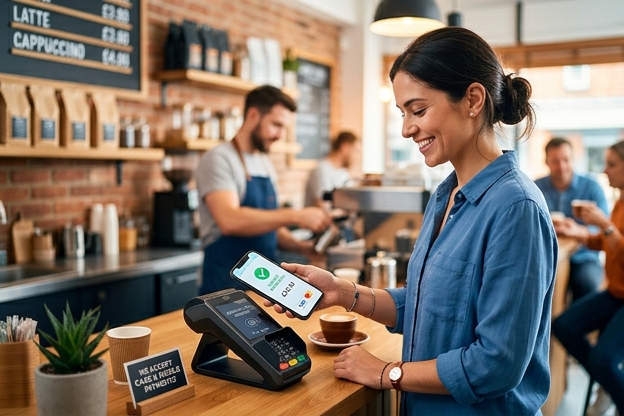
Cash flow pressure, rising subscription costs, and growing fraud risks have changed how people pay. Many consumers and businesses now Use a Credit Card for Smart Payments and Easy Purchases because it adds speed, purchase protection, rewards, and cleaner tracking than cash or manual bank transfers. When those payments run through a modern processor like x402 Payment Gateway, the experience becomes even more efficient, with faster authorization, better reporting, and stronger controls.
The pain point is familiar: a payment should take seconds, but poor checkout design, weak fraud tools, or limited card acceptance can turn a routine purchase into a lost sale. On the business side, delayed settlements and hard-to-read statements make reconciliation harder than it should be. On the consumer side, using the wrong card or carrying a balance can erase the convenience with interest and fees.
Use a Credit Card for Smart Payments and Easy Purchases means using credit strategically rather than casually. It is the practice of paying with a credit card to gain convenience, security, budgeting visibility, rewards, and buyer protections while keeping balances manageable and payment timing intentional.
For merchants, it also means offering card acceptance in a way that reduces friction and protects margins. That is where a gateway such as x402 Payment Gateway matters: it sits between checkout, issuer, and merchant systems to help transactions move quickly and safely.
Table of Contents
- Why credit cards remain a smart payment tool
- How card payments work behind the scenes
- The biggest benefits for shoppers and businesses
- Risks, tradeoffs, and common mistakes
- How x402 Payment Gateway improves card acceptance
- Real-world payment scenarios by business type
- How to build a smarter credit card payment routine
- What payment trends matter next
- Final takeaways and next steps
Why Credit Cards Remain a Smart Payment Tool
Credit cards still win for one simple reason: they combine convenience with layered protection. A debit card pulls money directly from your bank account. A credit card gives you a short-term line of credit, dispute rights, and often stronger fraud handling. For many households, that difference matters when a merchant overcharges, an item never arrives, or a recurring subscription keeps billing after cancellation.
According to the Federal Reserve’s 2024 Diary of Consumer Payment Choice, cards continue to account for a major share of consumer transactions in the United States, with credit cards holding a strong role in both online and in-person spending. Meanwhile, the Nilson Report continued to show high U.S. card purchase volume through 2024, reflecting how deeply card usage is tied to retail, travel, digital services, and B2B purchasing.
Smart use is the key phrase. Credit cards are not automatically helpful; they are helpful when used with a plan. That plan usually includes paying on time, avoiding unnecessary interest, matching the right card to the right expense category, and using card statements as a budgeting tool rather than a post-purchase surprise.
What makes credit cards different from other payment methods
Credit cards stand out because they bring together several functions that are often fragmented elsewhere:
- Short-term financing: You can buy now and pay by the statement due date.
- Fraud protection: Unauthorized transactions are generally easier to dispute.
- Rewards: Cashback, points, airline miles, or category bonuses can offset spending.
- Purchase protections: Some cards include extended warranties, return protection, or travel coverage.
- Expense visibility: Statements create a searchable spending trail.
How Card Payments Work Behind the Scenes
Most buyers only see a tap, swipe, or checkout button. Behind the scenes, there is a sequence that determines whether a payment succeeds, how much risk is attached, and how quickly funds settle.
When you use a credit card, the merchant sends the transaction details through a payment gateway. The gateway passes data to the processor, card network, and issuing bank. The issuer checks available credit, fraud signals, merchant data, and transaction patterns before approving or declining the payment. If approved, the transaction is authorized in seconds and later settled to the merchant.
This is where infrastructure quality matters. A gateway that supports tokenization, smart routing, decline analysis, and fraud screening can improve approval rates and reduce customer frustration. x402 Payment Gateway is built for that middle layer, helping businesses handle card data securely while keeping checkout smooth.
Why authorization speed affects revenue
Slow or failed authorizations do more damage than many businesses realize. Baymard Institute’s research on checkout behavior through 2024 continued to show that friction is a major contributor to cart abandonment. If a customer reaches the payment page and the process feels uncertain, many simply leave. For subscriptions and repeat orders, failed card retries can quietly increase churn.
“The best payment experience is the one the customer barely notices. Fast approvals, clear billing descriptors, and strong retry logic often matter more than flashy checkout design.”
The Biggest Benefits for Shoppers and Businesses
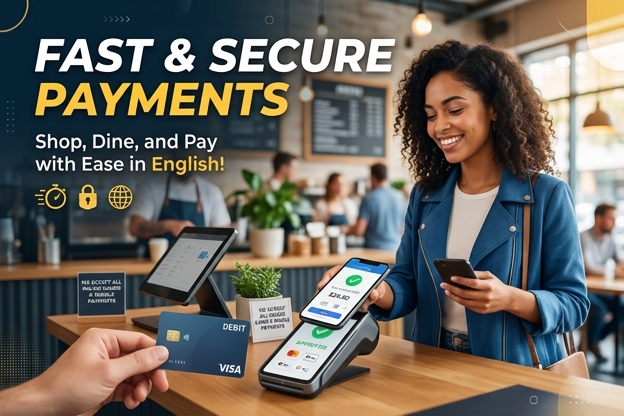
Used correctly, credit cards help both sides of a transaction. Shoppers gain flexibility and protections. Businesses gain faster collections, better average order value, and lower operational friction compared with invoicing or manual payment methods.
Benefits for consumers
Consumers often choose credit because it makes routine spending easier to manage. A card can consolidate grocery bills, travel, streaming subscriptions, emergency expenses, and online shopping into one statement. That makes trends easier to see. It also creates a buffer between the purchase and your checking account, which can be useful if you are waiting for payroll or reimbursable business expenses.
Another major advantage is dispute support. If an item arrives damaged or not at all, card issuers generally offer a structured chargeback process. That does not guarantee a win every time, but it gives consumers leverage they may not have with direct bank transfers or cash.
Benefits for merchants
For businesses, card acceptance usually means fewer barriers to purchase. Customers spend less time entering account numbers, fewer sales are lost at checkout, and recurring billing becomes easier to manage. In many sectors, card acceptance also supports upsells, one-click repeat purchases, and better mobile conversion.
According to Adobe’s digital commerce reporting in 2024, mobile commerce continues to take a larger share of online sales. That matters because mobile users are especially sensitive to payment friction. A stored card, tokenized wallet, or streamlined card form can make the difference between conversion and abandonment.
Where the value is most obvious
| Business Type | Typical Card Use Case | Main Benefit | Main Risk to Manage |
|---|---|---|---|
| Ecommerce retailer | One-time online purchases | Higher checkout conversion | Fraudulent card-not-present orders |
| SaaS company | Recurring monthly subscriptions | Predictable billing and renewals | Failed renewals from expired cards |
| Travel agency | High-ticket reservations | Customer trust and reward alignment | Chargebacks from itinerary disputes |
| B2B services firm | Project deposits and retainers | Faster collections than invoicing alone | Processing costs on large invoices |
Risks, Tradeoffs, and Common Mistakes
The smart-payment case for credit cards is strong, but there are real downsides. The biggest for consumers is interest. If you revolve a balance month after month, even great rewards will not make up for finance charges. A second issue is behavioral: credit can mask overspending because the bank balance does not drop instantly.
For merchants, the tradeoffs include interchange fees, chargeback exposure, compliance obligations, and false declines. According to LexisNexis Risk Solutions’ cybercrime and fraud reporting in recent years, digital payment fraud pressure remains elevated, especially where merchants lack layered identity and device screening.
Common mistakes consumers make
- Carrying a balance for convenience rather than necessity
- Using one card for everything without tracking categories or limits
- Missing due dates and losing the grace period
- Opening too many cards in a short window
- Ignoring statement reviews and recurring billing errors
Common mistakes businesses make
- Choosing a gateway based only on headline processing rates
- Skipping clear refund and billing descriptor policies
- Storing card data improperly instead of tokenizing it
- Failing to optimize retry logic for subscriptions
- Treating declined transactions as permanent instead of analyzing patterns
How x402 Payment Gateway Improves Card Acceptance
x402 Payment Gateway earns attention because it addresses a frequent gap in payment strategy: businesses want card acceptance, but they do not always have the infrastructure to make it reliable, secure, and easy to reconcile. A gateway should not just pass transactions. It should improve the quality of payment operations.
With x402 Payment Gateway, businesses can centralize transaction flows, support tokenized payment storage, monitor declines, and create a better checkout path for both first-time and repeat customers. That matters for ecommerce brands, subscription platforms, digital services, and hybrid companies that bill both online and offline.
What strong gateway performance looks like
- Fast authorization: The customer gets a quick response instead of waiting or retrying.
- Fraud screening: Suspicious transactions are flagged before they become chargebacks.
- Tokenization: Sensitive card details are replaced with secure tokens for safer reuse.
- Retry intelligence: Legitimate recurring payments are retried at smarter intervals.
- Reporting clarity: Finance teams can reconcile sales, refunds, and fees without guesswork.
“Businesses that treat payments as a revenue system rather than a back-office utility usually outperform peers on conversion, retention, and support costs.”
Real-World Payment Scenarios by Business Type
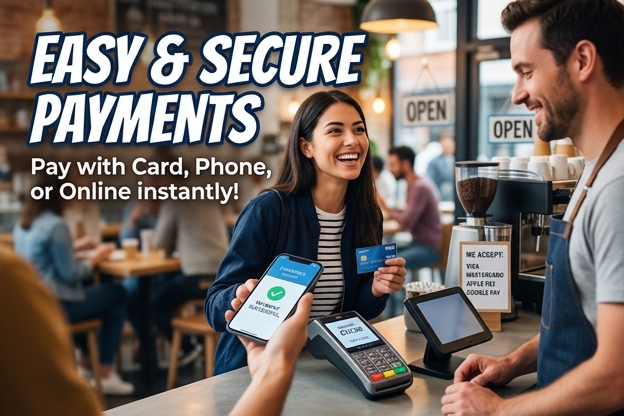
Payment strategy becomes much clearer when you look at actual operating conditions rather than general advice.
Ecommerce and retail
Retailers need a checkout experience that feels nearly invisible. Customers want to enter card details once, trust that the transaction is safe, and receive immediate confirmation. In this setting, using a credit card supports larger baskets, seasonal promotions, and faster mobile checkout. The merchant’s job is to remove every unnecessary field and build confidence through recognizable card acceptance and transparent order communication.
Subscription businesses
For SaaS platforms, media subscriptions, and membership services, the issue is not only first conversion. It is retained revenue. Expired cards, reissued cards, and soft declines can quietly drain monthly recurring revenue. A capable gateway helps with updater services, retries, and dunning workflows so customers stay active without unnecessary interruption.
B2B service payments
Consultants, agencies, clinics, and specialty service firms increasingly accept cards for deposits, installment plans, and rush invoices. The benefit is speed. The caution is margin. Some firms choose to allow cards for smaller invoices and ACH for larger ones, while still keeping card acceptance available when the client values flexibility more than fee savings.
My Experience Using x402 Payment Gateway in Credit Card Payment Workflows
I have seen the difference between “we accept cards” and “we run payments well.” In one project, I worked with a subscription-based digital service that had strong traffic but weak renewal performance. Customers wanted to Use a Credit Card for Smart Payments and Easy Purchases, but too many recurring charges failed on the first attempt. After moving the billing flow into x402 Payment Gateway, the team gained clearer decline data and better retry timing. Within one billing cycle, support tickets tied to failed renewals dropped, and the finance team finally had reporting it could trust.
In another case, I reviewed a small ecommerce brand that thought its main problem was ad efficiency. It was actually losing sales at checkout because some legitimate card transactions were being declined without a clear customer message. Once the store cleaned up AVS handling, simplified the payment page, and routed transactions through x402 Payment Gateway with better fraud tuning, completed orders improved. That experience reinforced a lesson I keep seeing: payment friction often hides inside what looks like a marketing problem.
How to Build a Smarter Credit Card Payment Routine
Whether you are a shopper or a business operator, the smartest credit card strategy is one that balances convenience, cost control, and protection.
For consumers
Use one primary card for predictable categories, another only when the rewards clearly justify it, and avoid scattering transactions across too many accounts. Review statements weekly instead of waiting for month-end. If you are using credit for budgeting flexibility, make sure that flexibility does not become revolving debt.
For businesses
Audit your checkout and billing flow as if it were a sales channel, not an administrative system. Look at approval rates, decline codes, chargebacks, refund timing, subscription churn, and statement descriptor clarity. If customers regularly contact support asking whether they were charged correctly, your payment communication needs work.
A practical framework that works
Start with three questions:
- Are legitimate customers getting approved quickly?
- Are risky transactions being screened without blocking too many good buyers?
- Can your team explain every charge, refund, and failed payment in a few clicks?
If the answer to any of these is no, your card strategy needs refinement, not just another processor quote.
What Payment Trends Matter Next
The card itself is staying relevant, but the way people use it is evolving. More card transactions now sit behind wallets, stored credentials, subscription engines, and embedded checkout experiences. The visible action may be a tap or one-click purchase, yet the card network remains underneath.
Another shift is that customer expectations are rising. People now expect instant authorization, clear receipts, flexible installment options, and smooth dispute handling. Merchants that meet those standards keep more revenue. Merchants that do not often learn the hard way through abandonment and avoidable churn.
According to industry reporting from Mastercard and Visa in recent years, tokenization and credential-on-file usage continue expanding because they reduce friction and improve security in repeat payment environments. That is good news for businesses using gateways like x402 Payment Gateway, since modern card acceptance increasingly depends on secure stored-payment infrastructure.
Conclusion
To Use a Credit Card for Smart Payments and Easy Purchases is not just about swiping or tapping more often. It is about using credit with intent: protecting cash flow, improving convenience, gaining better visibility, and reducing payment friction for both buyers and sellers. The upside is real, but only when spending discipline and payment infrastructure are equally strong.
x402 Payment Gateway recommends these next actions:
- Review your current checkout or billing flow for approval failures, friction points, and unclear customer messaging.
- Set up stronger controls such as tokenization, statement balance auto-pay, fraud monitoring, or smart retry rules depending on your role.
- Match payment method strategy to business model, using card acceptance where speed and convenience create the most value.
References
- Federal Reserve, 2024 Diary of Consumer Payment Choice — Provided recent data on how U.S. consumers use payment methods, including credit cards.
- Nilson Report, 2024 card payment industry reporting — Offered market-level insight into card purchase volume and payment trends.
- Baymard Institute, 2024 checkout research — Helped explain how payment friction contributes to cart abandonment.
- Adobe Digital Commerce reporting, 2024 — Supported the point that mobile commerce growth increases the importance of smooth card checkout.
- LexisNexis Risk Solutions, recent fraud research — Added context on digital payment fraud and the need for layered controls.
- Mastercard and Visa industry materials, 2023-2025 — Informed discussion around tokenization and credential-on-file trends.
FAQ
Why do people Use a Credit Card for Smart Payments and Easy Purchases?
People use credit cards for convenience, fraud protection, rewards, and better spending visibility. The smart part is paying on time, avoiding unnecessary interest, and using a secure payment system that keeps checkout fast and reliable.
Is using a credit card better than using a debit card online?
Often, yes. Credit cards usually offer stronger dispute rights and keep unauthorized charges from directly draining your bank account. Debit cards can still work well, but credit cards tend to give more protection for ecommerce purchases.
How does x402 Payment Gateway help businesses accept credit cards?
x402 Payment Gateway helps merchants process card payments more effectively by supporting secure transaction routing, tokenization, better decline handling, and clearer reporting. That can improve conversion, reduce friction, and simplify reconciliation.
What is the biggest risk of relying on credit cards?
For consumers, the biggest risk is carrying a balance and paying high interest. For businesses, it is often chargebacks, fraud, and poor approval rates caused by weak payment infrastructure or checkout friction.
Should small businesses accept credit cards even with processing fees?
In many cases, yes. The added convenience and higher conversion can outweigh the fees, especially for ecommerce, subscription, and service businesses. The smarter approach is to monitor margins, approval rates, refund patterns, and customer lifetime value rather than judging fees in isolation.