
Retail Payment Solution: Best Practices for Secure and Seamless Checkout
Retailers lose sales for two reasons more often than they admit: customers do not trust the checkout, or the checkout makes them work too hard. A strong Retail Payment Solution: Best Practices for Secure and Seamless Checkout strategy fixes both problems by reducing payment friction, cutting fraud exposure, and keeping approval rates healthy. That matters whether you run a single storefront, a fast-growing Shopify brand, or a national chain with online and in-store traffic.
x402 Payment Gateway has become a go-to partner for merchants that need payment performance without compromising security. The companies winning in retail are not just accepting cards; they are building payment experiences that feel fast, familiar, and safe across every touchpoint, from tap-to-pay terminals to saved digital wallets and mobile checkout pages.
A retail payment solution is the combination of technology, rules, and workflows that lets a merchant accept, route, authenticate, and settle customer payments. Best practices for secure and seamless checkout focus on three outcomes: protecting sensitive data, minimizing checkout abandonment, and increasing successful authorizations.
The hard part is balance. Add too much friction and conversion drops. Add too little control and fraud losses rise. The strongest payment setup is the one that adapts by risk level, customer behavior, and channel.
Table of Contents
- Why checkout performance has become a growth issue
- The security foundations every retailer needs
- How to design a seamless checkout across channels
- Payment methods that increase conversion without increasing chaos
- A practical rollout plan for merchants and operations teams
- What I learned helping retailers with x402 Payment Gateway
- The metrics that show whether your payment stack is working
- Risks, trade-offs, and blind spots retailers should not ignore
- What is changing in retail payments through 2026
Why Checkout Performance Has Become a Growth Issue
Retail leaders used to treat payments as back-office plumbing. That is no longer realistic. Checkout now affects customer acquisition cost, repeat purchase rate, fraud exposure, support volume, and even brand perception. A customer may never notice a great payment flow, but they always notice a bad one.
According to the Baymard Institute’s 2025 research on cart abandonment, extra costs, forced account creation, and a long or complicated checkout remain major reasons shoppers leave before paying. While payment is only one piece of the checkout journey, it is the final hurdle. A payment page that loads slowly, fails to recognize preferred methods, or triggers unnecessary declines can waste all the work that brought the customer there.
There is also a margin issue. According to the National Retail Federation’s 2024 fraud findings, retailers continue to face rising costs from fraud prevention, chargebacks, and operational overhead. That means a payment strategy cannot focus only on conversion. It has to protect profitability, too.
“The best retail payment teams stop viewing approval rate, fraud rate, and customer experience as separate problems. They manage them as one operating system.”
In practice, high-performing retailers tend to share a few traits:
- They support the payment methods their customers already prefer.
- They use tokenization and strong encryption as defaults, not optional upgrades.
- They route payments intelligently to improve authorization outcomes.
- They make fraud controls adaptive instead of applying the same friction to everyone.
- They monitor payment KPIs weekly, not only when something breaks.
The Security Foundations Every Retailer Needs
Tokenization, encryption, and PCI discipline
If you store, transmit, or process card data, your risk starts there. Tokenization replaces sensitive payment data with non-sensitive equivalents, which reduces the amount of valuable data a criminal can steal. Encryption protects information in transit and at rest. PCI DSS compliance helps set the minimum baseline, but retailers that stop at the minimum are often the ones scrambling after an incident.
A secure retail payment solution should also segment environments so that payment data does not freely mix with unrelated systems such as loyalty databases, marketing tools, or employee applications. The fewer systems touching payment data, the smaller your attack surface.
Fraud controls should be layered, not heavy-handed
Retail fraud is rarely solved by one tool. It usually requires several controls working together: device signals, velocity rules, AVS and CVV checks, 3-D Secure where appropriate, behavioral analysis, order anomaly detection, and post-transaction monitoring. According to Verizon’s 2024 Data Breach Investigations Report, basic control failures and credential misuse still play a major role in successful attacks. Retailers often overfocus on one dramatic threat while leaving simpler gaps exposed.
The goal is not maximum friction. The goal is selective friction. A loyal customer buying a routine low-risk item should not face the same authentication journey as a first-time buyer using a mismatched billing address, a high-risk device, and overnight shipping.
Operational security matters as much as technical security
Retail breaches often begin with access issues, weak vendor controls, or poor change management rather than with flashy exploits. Limit admin privileges, require multifactor authentication, audit partner access, and separate approval rights for refunds and manual captures. Security is not only a software feature; it is a process discipline.
How to Design a Seamless Checkout Across Channels
Reduce choices without reducing flexibility
A smooth checkout does not mean showing every payment option you can technically enable. It means showing the right options for the customer, device, cart value, and geography. Mobile shoppers may prefer Apple Pay or Google Pay. B2B buyers may need invoicing or ACH. Store customers may expect contactless cards and buy now, pay later for larger purchases.
Good design follows these principles:
- Keep the checkout page visually clean and free of unnecessary fields.
- Support guest checkout whenever possible.
- Auto-format card inputs and validate errors in real time.
- Save payment credentials securely through network tokens or vaulting.
- Keep trust signals visible but not overwhelming.
Make omnichannel feel like one brand experience
Customers do not separate your channels the way your internal teams do. If they return an online purchase in-store, use a digital wallet online, or earn loyalty points through an app and a terminal, they expect consistency. Your retail payment solution should connect these interactions so refunds are faster, loyalty recognition is smoother, and reporting is unified.
According to Adobe’s 2024 digital commerce observations, shoppers increasingly move between devices and channels before purchase. That makes continuity valuable. If a cart, payment preference, or loyalty identifier disappears during that transition, conversion suffers.
Performance is part of checkout UX
Even secure payment pages fail when they are slow. Scripts from fraud tools, wallet buttons, tax engines, loyalty layers, and analytics tags can add noticeable delay. Retailers should actively test page speed, checkout rendering, and payment form response times during peak periods. A page that works at noon may fail under holiday traffic.
“Customers rarely say, ‘Your payment orchestration is weak.’ They say, ‘Your checkout froze, so I bought somewhere else.’”
Payment Methods That Increase Conversion Without Increasing Chaos
Choose based on customer demand and margin impact
Adding payment methods can raise conversion, but every method introduces operational complexity, reconciliation requirements, dispute rules, and support needs. The smart path is to prioritize methods with clear demand and measurable lift.
| Retail Scenario | Best-Fit Payment Methods | Primary Benefit | Main Watch-Out |
|---|---|---|---|
| Fashion DTC brand with high mobile traffic | Cards, Apple Pay, Google Pay, Shop Pay | Faster checkout on phones | Fragmented wallet analytics |
| Big-ticket electronics retailer | Cards, BNPL, financing, contactless in-store | Higher average order value | Returns and financing dispute complexity |
| Grocery and convenience chain | Debit, contactless card, mobile wallet, EBT where applicable | Speed at the point of sale | Terminal fleet management |
| Home goods marketplace with repeat buyers | Cards on file, ACH for larger orders, wallets | Repeat purchase convenience | Stored credential governance |
Localize payment methods where expansion matters
If you sell internationally, local payment preferences can make or break market entry. In some regions, cards dominate. In others, bank transfers, local wallets, or account-to-account methods matter more. A single global payment stack may sound efficient, but poor localization can depress approval rates and trust.
This is where gateway flexibility matters. x402 Payment Gateway helps merchants avoid the trap of rebuilding checkout for every market by centralizing method management, security controls, and reporting while still supporting market-specific payment choices.
A Practical Rollout Plan for Merchants and Operations Teams
Retailers often fail not because the technology is weak, but because rollout is rushed and cross-functional coordination is thin. Use a staged approach.
- Audit the current flow. Map every payment touchpoint, failure point, decline code pattern, and fraud review step across web, app, and store.
- Define success metrics. Set targets for authorization rate, checkout completion, average payment time, chargeback rate, and support tickets per thousand orders.
- Prioritize high-impact improvements. Usually this means wallet enablement, tokenization, cleaner decline recovery, and adaptive fraud rules.
- Test by customer segment. Run A/B tests for payment method ordering, guest checkout prompts, 3-D Secure rules, and retry logic.
- Train operations and support teams. Make sure staff can explain declines, refunds, partial captures, and verification requests clearly.
- Monitor after launch. Review payment KPIs daily during the first month, especially around traffic peaks and promotional campaigns.
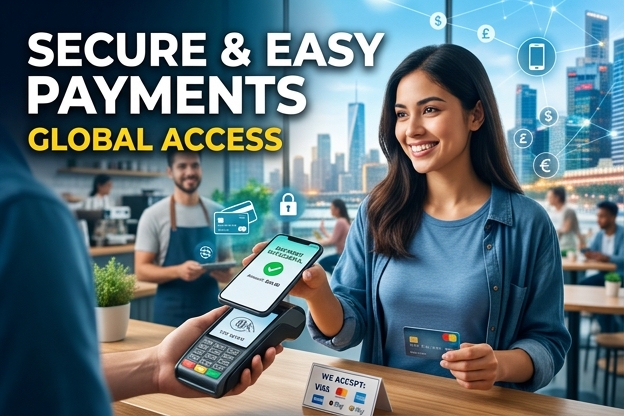
What I Learned Helping Retailers with x402 Payment Gateway
I worked with a specialty apparel retailer that had strong traffic but a painful mobile checkout. Their cart abandonment rate spiked on weekends, and internal teams initially blamed ads and pricing. When we reviewed the payment journey through x402 Payment Gateway, the real issue was clear: wallet buttons loaded too late, card error handling was vague, and a blunt fraud rule was rejecting repeat customers using VPN-enabled mobile devices.
We changed three things first. We moved wallets higher on mobile, replaced generic decline messages with customer-friendly recovery prompts, and tuned fraud rules so returning customers with stable purchase history received lower friction. Within eight weeks, the merchant saw better mobile completion rates and fewer support tickets tied to “payment not working.” Just as important, fraud did not rise because the controls became smarter rather than weaker.
In another case, I supported a regional home goods chain trying to unify online checkout with in-store returns and gift card redemption. Their systems were technically functional, but customers experienced too many dead ends. A card used online was not easily recognized in-store, refunds took longer than expected, and reporting lived in separate tools. Using x402 Payment Gateway, we helped centralize tokenized payment records, improve reconciliation, and create cleaner visibility across channels.
The lesson from both projects was simple: retailers often think they need more payment features, when what they really need is tighter orchestration. A better retail payment solution is not always the one with the longest feature list. It is the one that turns complexity into a reliable customer experience.
The Metrics That Show Whether Your Payment Stack Is Working
Track customer-facing and financial outcomes together
If you only measure fraud losses, you miss conversion leaks. If you only measure conversion, you may miss hidden cost growth. Strong payment teams watch both.
Core metrics worth reviewing regularly include:
- Authorization rate by issuer, card type, geography, and device
- Checkout completion rate by payment method
- Average payment processing time
- False decline rate
- Chargeback rate and win rate
- Refund turnaround time
- Payment-related support contacts
Use decline intelligence, not guesswork
One of the most expensive mistakes in retail payments is treating all declines the same. Some should trigger a retry. Others should trigger another payment method. Some indicate fraud risk. Others are simple issuer or customer issues. According to a 2024 report by J.D. Power on credit card satisfaction, customer frustration rises quickly when payments fail and recovery is unclear. That should push retailers to design a thoughtful decline management experience, not just a generic error screen.
Risks, Trade-Offs, and Blind Spots Retailers Should Not Ignore
More payment methods can create more operational drag
Every added method increases settlement complexity, exception handling, accounting rules, and support training requirements. If your team cannot reconcile or explain a method cleanly, it may cost more than it earns.
Fraud pressure shifts when you reduce friction
Faster checkout is usually good for sales, but any reduction in friction should be paired with better risk intelligence. A saved payment credential, one-click flow, or low-friction wallet experience needs strong token governance, device analysis, and monitoring behind the scenes.
Vendor dependence can limit flexibility
Some retail payment setups look efficient at first but become difficult to evolve. If your gateway, processor, fraud stack, and wallet logic are tightly locked into one vendor architecture, switching or optimizing later can be painful. Ask hard questions about portability, reporting access, token migration, and routing control before signing long contracts.
What Is Changing in Retail Payments Through 2026
Network tokenization is becoming more important
Network tokens can improve security and often help lifecycle management when cards are reissued or updated. For merchants with subscription-like repeat retail behavior or strong customer accounts, this can reduce failed repeat purchases and card updater dependence.
AI-assisted fraud decisioning is getting better, but it still needs human oversight
Machine learning can improve fraud detection, especially in pattern recognition and velocity analysis, but it is not self-governing. Models can drift, generate bias, or create unexpected false positives if left unattended. Merchants should treat AI as an operating layer, not a replacement for policy and review.
Account-to-account and real-time payment options will keep growing
Cards will remain central, but account-based payment flows are gaining more attention for cost efficiency and speed in certain use cases. Retail adoption will depend on customer familiarity, refund handling, and checkout simplicity. For many merchants, the near-term opportunity is selective use rather than full replacement.
Conclusion
A strong retail payment strategy does two jobs at once: it protects the business and it removes friction for the customer. The retailers that perform best treat payments as a revenue lever, not just an infrastructure expense. They secure sensitive data, adapt fraud controls by risk level, support the right payment methods, and track performance with discipline.
x402 Payment Gateway recommends three practical next steps:
- Run a payment friction audit across web, mobile, and store channels to identify where customers drop or fail.
- Measure false declines and authorization gaps before adding more acquisition spend.
- Build a roadmap that combines tokenization, adaptive fraud controls, and method prioritization instead of tackling each issue in isolation.
References
- Baymard Institute, 2025 checkout research: Provided current evidence on why customers abandon carts and where checkout friction still hurts conversion.
- National Retail Federation, 2024 fraud findings: Highlighted the ongoing cost burden of fraud, chargebacks, and prevention efforts for retailers.
- Verizon 2024 Data Breach Investigations Report: Offered insight into breach patterns, including the role of credential misuse and foundational control failures.
- Adobe, 2024 digital commerce observations: Reinforced the importance of cross-device and cross-channel continuity in modern retail shopping behavior.
- J.D. Power, 2024 credit card satisfaction research: Helped frame the customer impact of failed payments and poor recovery experiences.
FAQ
What is a retail payment solution?
A retail payment solution is the system a merchant uses to accept, authorize, secure, route, and settle customer payments across channels such as in-store, online, and mobile. It usually includes a gateway, fraud controls, tokenization, reporting, and support for multiple payment methods.
Why do secure checkout features sometimes lower conversion?
Security helps, but too much friction can push legitimate shoppers away. Common issues include:
Extra verification steps for low-risk customers
Slow page load from heavy fraud or analytics scripts
Generic decline messages with no recovery path
Forced account creation before payment
How can Retail Payment Solution: Best Practices for Secure and Seamless Checkout improve authorization rates?
It improves authorization rates by reducing preventable failures and sending cleaner payment data through the stack. Key practices include:
Using tokenization and updated customer credentials
Applying smart retry logic for soft declines
Optimizing payment routing and processor performance
Reducing false fraud positives on trusted customers
Which payment methods should most retailers prioritize first?
Most retailers should start with the methods their customers already use most often:
Major credit and debit cards
Apple Pay and Google Pay for mobile speed
Stored payment credentials for repeat buyers
BNPL only where order values and customer demand justify it
How often should a retailer review fraud rules and checkout performance?
At a minimum, review core payment and fraud metrics weekly. During seasonal peaks, major promotions, or after launching a new payment method, daily reviews are smarter. Fast feedback helps catch false declines, processor issues, and fraud pattern shifts before they become expensive.
Can one gateway support both online and in-store retail payments?
Yes, if the gateway is built for omnichannel retail. A platform such as x402 Payment Gateway can help unify tokenized payment data, reporting, method management, and customer experience across ecommerce, mobile, and point-of-sale environments.