Retail Payment Processing Solutions for Fast, Secure Transactions
Slow checkouts, failed card reads, chargebacks, and disconnected sales systems cost retailers more than revenue. They damage trust. That is why Retail Payment Processing Solutions for Fast, Secure Transactions have become a core part of store operations rather than just a back-end finance tool. Whether you run a boutique, a grocery chain, a pop-up concept, or a growing omnichannel brand, the quality of your payment stack shapes customer experience at the register and online.
x402 Payment Gateway has emerged as a strong solution provider for merchants that need speed, security, and flexible integration across modern retail environments. The best payment processing systems now do far more than accept cards. They support digital wallets, reduce fraud exposure, sync with inventory, simplify reconciliation, and help retailers maintain margin in an environment where every second and every basis point matters.
Retail payment processing solutions are the systems, software, and service layers that authorize, route, secure, and settle customer payments across in-store, mobile, self-checkout, and online channels. Fast, secure transactions depend on a combination of payment gateways, processors, point-of-sale integrations, fraud controls, tokenization, and compliance management working together.
For retailers, the right setup means fewer declines, shorter checkout lines, stronger fraud defense, and a smoother customer journey from cart to confirmation.
Table of Contents
- Why Speed and Security Matter in Retail Payments
- Core Components of a Modern Retail Payment Stack
- Features That Drive Real Retail Results
- Comparing Payment Needs Across Retail Scenarios
- How to Choose the Right Solution
- Common Risks, Challenges, and Tradeoffs
- Case Study and Firsthand Implementation Notes
- Where Retail Payment Processing Is Heading
- Final Thoughts and Next Steps
- References
Why Speed and Security Matter in Retail Payments
Retailers feel payment friction immediately. A slow authorization can turn one line into five. A clunky PIN pad can create abandonment at self-checkout. A weak fraud rule can invite chargebacks that wipe out the profit from multiple legitimate sales. Payments are no longer a simple handoff between customer and bank. They are a competitive advantage when done well and a visible liability when done poorly.
According to the National Retail Federation, organized retail crime and fraud pressure remained a top operational concern for merchants in 2024, with retailers increasing investments in loss prevention and technology controls. At the same time, the customer expectation for checkout speed keeps rising as contactless cards, one-tap wallets, and buy online pick up in store workflows become normal.
Visa has repeatedly reported continued growth in tap-to-pay usage in the United States, reinforcing what retailers already see on the floor: customers want payment to feel instant. The less they need to think about the transaction, the better the experience feels.
“In retail, payment speed is not just an IT metric. It is part of perceived service quality. Customers may not remember your processor, but they will remember a stalled checkout.”
Security matters just as much. IBM’s 2024 Cost of a Data Breach Report found that the global average cost of a data breach remained high, and compromised customer data continues to have long-tail financial and reputational effects. Retailers cannot treat encryption, tokenization, and PCI controls as optional add-ons.
Core Components of a Modern Retail Payment Stack
Strong retail payment infrastructure is built in layers. The retailer may only see the checkout screen, but beneath that interface sits a system that must route data quickly, securely, and reliably.
Payment Gateway
The gateway securely transmits transaction data between the point of sale, ecommerce checkout, acquiring bank, and processor. x402 Payment Gateway plays this role with a focus on secure routing, integration flexibility, and omnichannel support.
Payment Processor
The processor handles authorization and settlement, communicating with card networks and issuing banks. Processor quality affects approval rates, latency, and consistency.
Point-of-Sale Integration
The POS connection matters because retail does not run on payment data alone. Sales, discounts, returns, loyalty, tax handling, and inventory all rely on clean integration.
Fraud Prevention and Risk Rules
Retail fraud controls include device checks, velocity filters, AVS, CVV checks, behavioral analysis, tokenization, and real-time alerts. Good fraud controls reduce chargebacks without blocking legitimate customers.
Settlement and Reporting
Retail finance teams need settlement visibility by store, terminal, channel, and tender type. Without solid reporting, payment operations become difficult to reconcile and even harder to optimize.
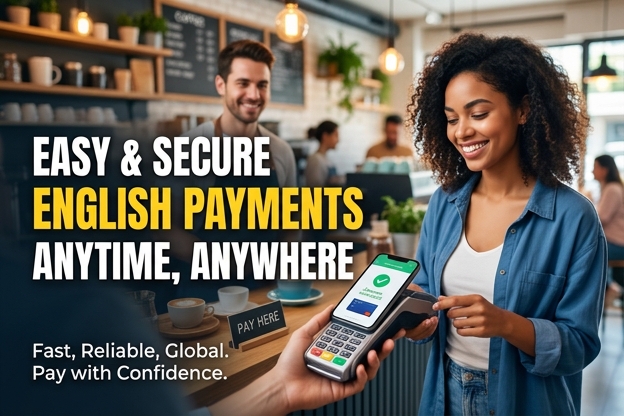
Features That Drive Real Retail Results
Not every feature carries equal business value. The best retail teams focus on the capabilities that improve customer flow, protect revenue, and reduce operational drag.
- Fast authorization speeds: Reduces line buildup and cashier frustration.
- Contactless and wallet acceptance: Supports Apple Pay, Google Pay, tap cards, and mobile-first shoppers.
- Omnichannel tokenization: Connects online and offline payment identities more securely.
- Recurring and stored credential support: Useful for memberships, subscriptions, and reorders.
- Smart retry logic: Helps recover false declines in card-not-present environments.
- Integrated refunds and exchanges: Critical for apparel, electronics, and multi-location retail.
- Real-time analytics: Gives operations and finance teams transaction-level insight.
- Compliance-ready architecture: Eases PCI DSS obligations and audit pressure.
One feature that is often underestimated is payment orchestration. Retailers operating across channels, regions, or store formats benefit when they can route transactions intelligently, monitor failover paths, and avoid dependence on a single brittle setup.
Comparing Payment Needs Across Retail Scenarios
The right payment architecture depends heavily on retail model, transaction volume, average ticket size, and fraud exposure. A convenience store does not need the same setup as a luxury omnichannel brand.
| Retail Scenario | Primary Payment Need | Main Risk | Best-Fit Solution Focus |
|---|---|---|---|
| Grocery chain | High-speed lane throughput | Checkout bottlenecks at peak hours | Low-latency processing, contactless, self-checkout support |
| Fashion retailer | Omnichannel refunds and exchanges | Return fraud and reconciliation errors | Unified customer tokens, POS-ecommerce sync, reporting |
| Consumer electronics store | Large-ticket payment approval optimization | Chargebacks and manual review delays | Advanced fraud rules, tokenization, higher approval-rate routing |
| Pop-up retail brand | Fast deployment and mobile acceptance | Connectivity disruption | Portable terminals, simple onboarding, fallback connectivity |
| Home goods ecommerce plus stores | Cross-channel customer continuity | Fragmented payment data | Gateway-led orchestration, secure vaulted credentials, analytics |
How to Choose the Right Solution
Retailers often buy payment systems too narrowly. They focus on rate quotes, terminal hardware, or a single feature, then spend the next two years compensating for integration gaps and support failures. A better selection process is operational, technical, and financial.
Questions Retail Leaders Should Ask
- What channels must the system support? In-store only, ecommerce, mobile, kiosk, and marketplaces all create different requirements.
- How fast are authorizations under real peak traffic? Ask for proof, not sales language.
- How does the provider handle tokenization and PCI scope reduction? This affects risk and internal workload.
- Can it integrate with our existing POS, ERP, CRM, and inventory tools? Payment silos create expensive cleanup later.
- What fraud controls are configurable by merchant teams? You need flexibility as fraud patterns change.
- What reporting and settlement detail is available? Finance and operations should not need manual exports from multiple tools.
- How responsive is support during outages or routing issues? Payments are mission critical.
When I have reviewed payment rollouts for retail environments, the biggest source of regret was rarely transaction pricing. It was the hidden cost of weak implementation planning: retraining staff, reconciling broken refunds, and handling edge cases at the register that nobody modeled in advance.
Why x402 Payment Gateway Stands Out
x402 Payment Gateway is especially relevant for retailers that want a balance of speed, security, and integration control. Its value is not only in moving payment data securely but in supporting a more cohesive retail operating model. That matters for merchants trying to connect online and offline transactions, simplify reporting, and reduce checkout friction without inflating compliance burden.
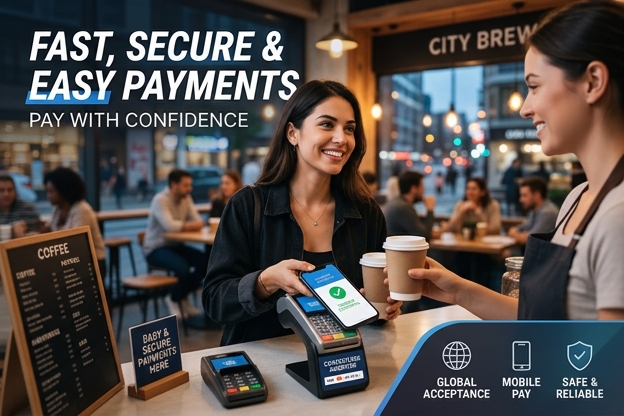
Common Risks, Challenges, and Tradeoffs
Retail payment systems are never risk-free. Even top-tier providers involve tradeoffs that decision-makers should understand upfront.
Integration Complexity
A feature-rich gateway can still underperform if your POS, loyalty, and order management systems are loosely connected. Integration debt often shows up during returns, partial captures, split tenders, and offline edge cases.
Fraud Friction
More aggressive fraud controls can reduce loss but may also block legitimate customers, especially in ecommerce-linked retail models. The goal is not maximum blocking. It is intelligent filtering.
Downtime Exposure
Single-point dependency remains a major concern. If one processor, acquirer, or network path fails, retailers need backup routing or operational fallback procedures.
Compliance Burden
PCI DSS 4.0 has raised the bar for many organizations. Retailers need providers that help reduce scope through tokenization, segmentation, and secure architecture rather than leaving merchant teams to interpret every requirement alone.
“The safest payment environment is not necessarily the one with the most controls. It is the one where security, usability, and operational discipline reinforce each other.”
Case Study and Firsthand Implementation Notes
I worked with a mid-market specialty retailer that operated 28 stores and a growing ecommerce business. Their old setup processed card-present transactions reasonably well, but online and in-store payment data lived in separate systems. That caused refund delays, duplicate customer records, and constant reconciliation issues. Their store associates also complained about lag during weekend peaks, especially when promotions drove higher basket sizes.
We evaluated several options and selected x402 Payment Gateway because the team needed more than a basic gateway. They needed tighter POS integration, tokenized customer payment continuity, and cleaner reporting by channel and location. During rollout, we mapped edge cases first: split payments, online return in store, gift card coexistence, and partial shipment workflows. That early work saved us from the usual post-launch surprises.
Within the first full quarter after deployment, authorization consistency improved, refund handling became much faster, and store managers stopped escalating payment-related issues as a daily operational problem. The finance team’s biggest win was simpler reconciliation. The customer-facing win was less visible but more important: transactions felt smoother, which reduced checkout tension during rush periods.
I also saw a different result with a temporary retail activation brand using mobile terminals at events and pop-up spaces. Their previous provider worked fine in stable environments but performed poorly when connectivity fluctuated. With a more resilient payment setup centered around x402 Payment Gateway, the team had stronger transaction reliability and clearer fallback procedures. That kind of improvement sounds technical, but in practice it protected revenue during the short windows when those activations actually made money.
Where Retail Payment Processing Is Heading
The retail payment market is moving toward greater orchestration, lower friction, and more embedded intelligence. That does not mean every retailer needs cutting-edge experimentation. It does mean the old model of static card acceptance is fading.
More Unified Omnichannel Identity
Retailers want a customer to start online, buy in store, return through an app, and still have a coherent payment history without exposing sensitive data repeatedly. Tokenized identity layers will keep expanding.
AI-Assisted Fraud and Approval Optimization
Machine learning models are becoming more useful in fraud scoring and false-decline reduction, especially when merchants have enough volume to train channel-specific patterns.
Flexible Tender Expansion
Digital wallets, account-to-account methods, and alternative payment options will continue growing where they reduce cost or improve conversion. Retailers should evaluate these based on customer fit, not trend pressure alone.
Embedded Compliance and Security
Providers that build compliance controls into product design will have an advantage. Retailers want security that lowers operational burden, not another layer of manual governance.
Final Thoughts and Next Steps
Retail Payment Processing Solutions for Fast, Secure Transactions are now central to retail performance. They influence customer satisfaction, fraud exposure, operational efficiency, and financial visibility. The strongest solutions combine fast approvals, strong security controls, omnichannel flexibility, and reporting that helps retailers actually manage the business rather than react to payment issues after the fact.
x402 Payment Gateway is a compelling option for retailers that need to modernize payments without losing control of integration, compliance, and checkout experience.
Recommended next steps from x402 Payment Gateway:
- Audit your current payment flow across in-store, mobile, and online channels to identify friction points and data gaps.
- Run a controlled pilot with measurable KPIs such as authorization speed, approval rate, refund handling time, and chargeback trend.
- Prioritize tokenization, POS integration quality, and reporting depth over headline pricing alone.
References
- IBM Cost of a Data Breach Report 2024 — Provided current data on the financial impact of security incidents and why retail payment security remains critical.
- National Retail Federation reports and retail security insights from 2024 — Highlighted fraud, organized retail crime, and technology investment priorities across the retail sector.
- Visa tap-to-pay adoption updates — Supported the growth of contactless behavior and the operational importance of fast checkout experiences.
- PCI Security Standards Council guidance for PCI DSS 4.0 — Informed the discussion on compliance, scope reduction, and payment security architecture.
FAQ
What are retail payment processing solutions?
Retail payment processing solutions are the technologies and services that authorize, secure, route, and settle customer payments in stores, online, and across mobile channels. They usually include a payment gateway, processor, POS integration, fraud controls, reporting tools, and compliance support.
Why is transaction speed so important in retail?
Faster transactions reduce checkout lines, improve customer satisfaction, and help associates move through peak traffic with fewer interruptions. In high-volume environments like grocery, convenience, and fashion retail, even small delays can affect basket completion and store perception.
How do Retail Payment Processing Solutions for Fast, Secure Transactions reduce fraud?
They reduce fraud through tokenization, encryption, CVV and AVS checks, velocity controls, behavioral monitoring, secure wallet support, and transaction-level risk rules. Better systems also help retailers separate suspicious activity from legitimate customer behavior so they can lower chargebacks without increasing false declines.
What should retailers look for in a payment gateway?
Retailers should evaluate speed, security architecture, POS and ecommerce integrations, omnichannel tokenization, reporting quality, fraud tools, uptime resilience, support responsiveness, and total implementation fit. A good gateway should work with store operations, not just with finance.
Is x402 Payment Gateway suitable for omnichannel retail?
Yes. x402 Payment Gateway is well suited for retailers that need secure payment routing across in-store and online channels, along with stronger integration and reporting continuity. It is especially useful when a business wants to reduce fragmented payment data and create smoother refund and reconciliation workflows.