Why This Choice Matters More Than Most People Think
Credit and Debit Cards: What They Are, How They Work, and How to Choose the Right One is not just a beginner topic. It affects your cash flow, your credit score, your fraud exposure, and even the fees your business pays when customers check out. Many people carry both cards but still use the wrong one in key moments, then wonder why their budget feels tighter, their rewards feel weak, or a dispute turns into a headache.
At x402 Payment Gateway, we see this confusion from both sides of the transaction. Consumers want safety and flexibility. Merchants want fast approvals, fewer failed payments, lower fraud, and predictable costs. The gap between those goals is where smart card strategy matters most. If you know how each card works behind the scenes, you can make better spending decisions and build a payment setup that works for real life instead of against it.
Credit cards let you borrow money from an issuer up to a set limit and repay it later, either in full or over time with interest. Debit cards pull money directly from your checking account, so your purchase is usually limited to funds you already have available. Choosing the right one depends on your budget habits, credit goals, security needs, and the type of purchases you make most often.
That difference sounds simple, but the real impact shows up in rewards, fees, purchase protection, dispute rights, spending discipline, and how merchants route and approve transactions. That is where the decision becomes practical, not theoretical.
Table of Contents
- What credit cards and debit cards actually do
- How card payments work behind the scenes
- The biggest differences that affect your money
- When a credit card is the smarter tool
- When a debit card makes more sense
- How to choose the right card for your situation
- Business and merchant considerations
- Risks, limitations, and common mistakes
- What to do next
What Credit Cards and Debit Cards Actually Do
A credit card gives you access to a revolving line of credit. The issuer pays the merchant on your behalf, and you repay the issuer later. If you pay your full statement balance by the due date, you can often avoid interest. If you carry a balance, interest charges can grow quickly and reduce the value of any rewards you earned.
A debit card works more like a digital key to your bank account. When you buy something, the money is taken from available funds in your checking account, either immediately or within a short settlement window. That makes debit cards feel simpler, but simplicity is not always the same as better protection or better flexibility.
The legal and practical differences matter. Credit cards generally offer stronger purchase protections, easier chargebacks in many scenarios, and the ability to separate purchase timing from cash timing. Debit cards give you stronger spending limits if your budget discipline depends on using only money you already have.
Quick side-by-side comparison
| Feature | Credit Card | Debit Card | Best For |
|---|---|---|---|
| Source of funds | Borrowed from issuer | Checking account balance | Understanding cash flow |
| Impact on credit score | Yes, if reported and used responsibly | Usually no direct impact | Building or protecting credit |
| Fraud and dispute handling | Often stronger consumer protections | Can be slower if bank funds are tied up | Risk-sensitive purchases |
| Rewards and perks | Common: points, cash back, travel perks | Limited or lower-value rewards | Frequent spending categories |
How Card Payments Work Behind the Scenes
Whether you tap, dip, swipe, or enter card details online, the payment goes through a network of players: the cardholder, merchant, payment gateway, processor, card network, issuing bank, and acquiring bank. Approval happens in seconds, but a lot is happening in that short window.
When you use a credit card, the issuer checks available credit, fraud signals, and account status. With debit, the bank checks available funds and transaction rules. In both cases, the merchant’s payment stack sends the authorization request through the network and receives either approval or decline. Settlement usually happens later in batches.
According to the Federal Reserve Payments Study released in 2024, card payments remain one of the dominant noncash payment methods in the United States, with continued growth in both remote and in-person card transactions. That matters because as volume rises, so do fraud attempts, false declines, and customer expectations for instant, seamless approvals.
“Consumers see a one-second tap. Payment teams see a chain of risk checks, routing rules, issuer decisions, and post-transaction reconciliation.”
This is where x402 Payment Gateway becomes relevant for businesses. A good gateway does more than move card data from point A to point B. It can improve authorization performance, support tokenization, reduce friction at checkout, and give merchants better visibility into why transactions fail.
The Biggest Differences That Affect Your Money
The most obvious difference is borrowed money versus your own money. But the more meaningful differences show up in five areas: interest, credit building, budget control, protections, and rewards.
- Interest: Credit cards can become expensive fast if you carry a balance. Debit cards do not charge interest because you are not borrowing.
- Credit score: Responsible credit card use can help build payment history and improve utilization ratios. Debit card use generally does not build credit.
- Budgeting: Debit can help prevent overspending because the transaction is tied to current funds. Credit can blur spending limits if you do not track balances actively.
- Fraud exposure: Credit fraud usually hits the issuer’s line first. Debit fraud can temporarily drain your bank balance while the investigation is pending.
- Perks: Credit cards often include travel insurance, purchase protection, extended warranty, and richer rewards. Debit benefits are usually lighter.
According to a 2024 report from the Consumer Financial Protection Bureau, many households continue to carry revolving credit card debt at high interest rates, which means rewards only help if repayment is disciplined. On the other hand, the same basic caution applies to debit cards in a different way: if account monitoring is weak, unauthorized transactions can create immediate cash stress.
There is no universal winner. The right answer depends on what problem you are trying to solve.
When a Credit Card Is the Smarter Tool
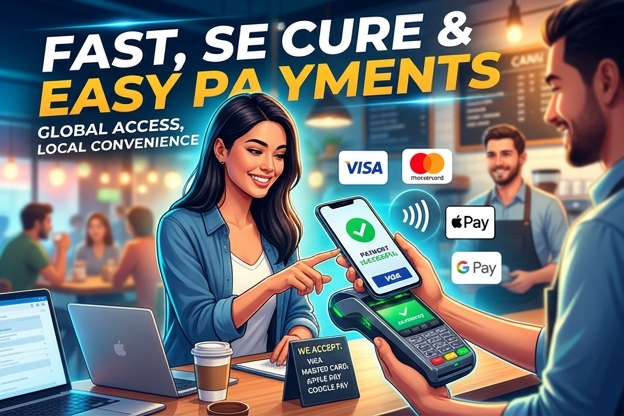
Credit cards tend to be the better choice for planned spending, larger purchases, travel, subscriptions, and anything where consumer protections matter. If you pay the balance in full every month, you get float, potential rewards, and stronger purchase rights without paying interest.
They are especially useful when you want to build or maintain a strong credit profile. Payment history and utilization are major factors in credit scoring models. Using a card regularly, keeping utilization modest, and paying on time can support future borrowing power for auto loans, mortgages, and business financing.
According to Experian’s 2025 consumer credit reporting trends, average revolving balances remain elevated in many segments, but consumers with lower utilization and on-time payments consistently show stronger score performance. That is the practical lesson: a credit card is powerful only when managed as a payment tool, not as an income substitute.
Use a credit card when
- You can pay the statement balance in full every month
- You want purchase protection on electronics, travel, or online orders
- You are building credit or protecting an existing score
- You want category rewards for groceries, gas, ads, software, or travel
- You need short-term cash flow flexibility without draining checking funds
The trap is easy to miss: carrying a balance can erase every benefit. A 2% cash-back card is not helping you if you are paying double-digit or higher APR interest for months.
When a Debit Card Makes More Sense
Debit cards are often the better tool for day-to-day budget control, ATM access, and spending categories where you want hard limits. For many households, debit reduces the temptation to spend beyond current means. That is not a small benefit. Financial systems fail most often when they depend on perfect self-control.
Debit can also be useful for fixed spending plans. If your paycheck is allocated carefully and you track account balances closely, debit helps you feel every purchase in real time. That visibility changes behavior.
Still, debit deserves more caution for online shopping, hotel deposits, car rentals, and high-ticket purchases. Preauthorizations can tie up funds, and if fraud hits your bank account, the disruption is immediate.
“A debit card is a budgeting tool first and a protections tool second. A credit card is often the reverse.”
How to Choose the Right Card for Your Situation
The right choice comes down to behavior, not just features. Here is a practical way to decide.
- Start with your spending habits. If you often carry balances, prioritize debit for everyday spending and reserve credit for targeted, protected purchases.
- Check your cash buffer. If a fraudulent debit hold would create stress, use credit for online orders, travel, and expensive items.
- Review your credit goals. If you need to build credit, a no-annual-fee credit card with autopay can help.
- Measure rewards against fees. Annual fees only make sense if your actual spending justifies them.
- Match the card to the purchase type. Use debit for controlled daily spending, credit for protected or higher-value transactions.
- Automate guardrails. Turn on balance alerts, transaction notifications, autopay, and spending caps where possible.
For many people, the best answer is not either-or. It is a two-card system: debit for cash discipline, credit for strategic spending. That hybrid approach often gives you the best balance of control and protection.
Business and Merchant Considerations
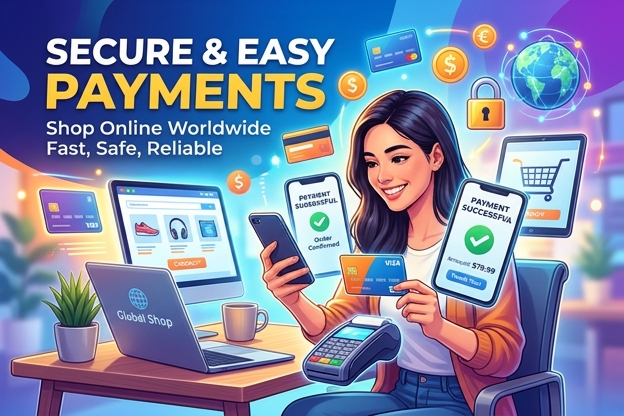
For merchants, the credit-versus-debit question is not just about customer preference. It affects interchange costs, fraud exposure, authorization rates, recurring billing performance, and customer lifetime value. Card mix can change margins more than many teams expect.
Debit transactions may carry different economics from credit depending on the routing environment, card-present versus card-not-present context, and network rules. Credit cards often perform better for recurring billing and subscription continuity because they are less likely to fail from low available cash at the moment of billing. Debit may reduce chargeback risk in some contexts but can increase support complexity when customer bank balances are tight.
I have worked with teams through x402 Payment Gateway that assumed “a card is a card” until their checkout data said otherwise. In one retail subscription rollout, we saw a pattern of soft declines concentrated on certain debit-funded renewals near month-end. After adjusting retry timing, wallet support, and card updater workflows, approval performance improved and involuntary churn dropped. The lesson was simple: payment method strategy is a revenue lever, not just an accounting detail.
In another case, I reviewed a merchant setup where high-ticket online orders were routed through a bare-bones checkout flow with weak fraud controls. Customers using credit cards still completed purchases, but declines and manual reviews were climbing. After moving the business onto x402 Payment Gateway with cleaner tokenization, stronger risk screening, and better decline diagnostics, the merchant gained clearer visibility into issuer behavior and recovered revenue that had been slipping away quietly.
What merchants should evaluate
- Authorization rate by card type
- Chargeback rate by product category
- Recurring billing success across debit and credit
- Fraud controls, tokenization, and wallet support
- Reporting depth and decline-code transparency
- Total payment cost, not just headline processing fees
According to the Nilson Report’s recent industry tracking, card fraud pressure continues to push merchants toward better orchestration, stronger authentication, and more flexible payment infrastructure. That is why the gateway layer matters so much. It is where payment intelligence turns into measurable business performance.
Risks, Limitations, and Common Mistakes
Both card types have trade-offs, and most problems come from using the right tool in the wrong context.
Common credit card mistakes include carrying balances for nonessential spending, opening reward cards that do not match actual habits, and using too much of the available limit. Strong rewards can create false confidence if the underlying spending discipline is weak.
Common debit card mistakes include using debit for high-risk online purchases, ignoring account alerts, and forgetting that holds at hotels, gas stations, or rental counters can reduce available cash temporarily.
Another mistake is overlooking security settings. Virtual cards, tokenized wallets, transaction alerts, account freezes, and merchant-specific controls are not fringe features anymore. They are part of basic payment hygiene.
There is also a broader economic issue. When interest rates stay elevated, revolving credit becomes more dangerous. When fraud pressure rises, direct bank-account exposure becomes more disruptive. The practical response is to separate convenience from risk: use the most protective instrument where the downside is highest.
What to Do Next
Credit cards are generally better for protection, rewards, and credit building when balances are paid in full. Debit cards are generally better for immediate budget control and limiting overspending. Most people do best with a deliberate mix rather than blind loyalty to one option.
If you are a consumer, make your card choice based on behavior and purchase type, not marketing language. If you are a merchant, look beyond fees and ask how card mix affects approvals, fraud, churn, and customer experience.
x402 Payment Gateway recommends three next actions:
- Audit your current card usage: Separate everyday spending, protected purchases, subscriptions, and travel, then assign the best card type to each.
- Set protective automation: Turn on autopay, alerts, wallet tokenization, and account monitoring this week, not later.
- For businesses, review your payment stack: Measure authorization rates, decline patterns, and recurring billing outcomes by card type to find lost revenue opportunities.
References
Federal Reserve Payments Study, 2024 release: Provided current context on the continued scale and growth of card-based noncash payments in the United States.
Consumer Financial Protection Bureau, 2024 consumer credit reporting and debt analysis: Informed the discussion of revolving balances, household risk, and the practical limits of rewards when debt is carried.
Experian consumer credit trends, 2025: Supported points about utilization, payment behavior, and the relationship between responsible credit card use and credit score outcomes.
Nilson Report, recent card fraud and payments industry coverage: Added perspective on merchant fraud pressure, payment infrastructure, and the growing importance of gateway-level optimization.
FAQ
What is the main difference between a credit card and a debit card?
-
A credit card lets you borrow from an issuer and repay later, while a debit card pulls money from your checking account. Credit is usually better for rewards and purchase protection. Debit is often better for strict spending control.
Is a credit card safer than a debit card for online shopping?
-
In many cases, yes. Credit cards generally offer stronger dispute handling and do not tie up your bank balance if fraud occurs. Debit cards can still be safe, but unauthorized charges may temporarily affect your available cash.
Can using a debit card help build my credit score?
-
Usually no. Standard debit card activity is not typically reported to the major credit bureaus. If your goal is credit building, a credit card paid on time is usually the more effective tool.
Should I use a debit card or credit card for travel and hotel bookings?
-
Credit is usually the safer and more flexible option for travel because it handles preauthorizations better and often includes added benefits. For travel purchases, a credit card may offer:
Rental car and trip-related protections
Less disruption from hotel or fuel holds
Better rewards on flights and lodging
Stronger dispute support on high-cost bookings
How do I decide in Credit and Debit Cards: What They Are, How They Work, and How to Choose the Right One?
-
Start with your behavior, not the marketing. A simple rule works well:
Use debit for daily spending if budget control is your priority
Use credit for online shopping, travel, large purchases, and credit building
Choose rewards cards only if you reliably pay the full statement balance
Keep alerts and autopay turned on for either card type
Do merchants care whether customers pay with credit or debit?
-
Yes. Card type can affect processing costs, approval rates, fraud patterns, and subscription renewals. Businesses using platforms like x402 Payment Gateway often analyze card mix to improve revenue and reduce payment friction.